
Blog
Welcome to the CARE-HSC blog.
Here, we share insights from our research on race equity in health and social care. We explore staff experiences, structural inequalities, and the realities of working across NHS and social care systems.
Through this blog, we aim to make our research accessible and relevant. We translate complex ideas into practical reflections. We also share updates from the project, media coverage, and emerging findings.
Importantly, this space centres lived experience. We highlight the voices of minoritised staff and carers. In addition, we reflect on what meaningful change could look like in practice.
Whether you are a researcher, practitioner, policymaker, or carer, we hope these posts offer insight, clarity, and encouragement.

Inclusion in Healthcare: Student Nurses Share Their Stories
This study explores how student nurses from different ethnic backgrounds experienced clinical placements in London hospitals, and whether their experiences differed from those of White British students. Through in-depth conversations, researchers identified five key themes, including mentoring, unfair treatment, speaking up, career progression, and the lasting impact of negative experiences. Students from ethnic minority backgrounds described experiences of racism and cultural or religious discrimination, while White British students also reported mistreatment linked to age, gender, or sexuality. Across groups, poor “ward culture” and normalised mistreatment made it harder to thrive. The findings highlight how early workplace experiences can shape confidence, career ambitions, and long-term retention in the NHS, and underline the urgent need for supportive, inclusive training environments.

How does harassment and discrimination affect NHS staff?
This study explores how NHS staff in London experienced workplace harassment, discrimination, and bullying, and how these experiences differed across groups. Through survey data from 931 staff, researchers examined the impact on mental and physical health, job satisfaction, and attendance. Women, Black and Asian staff, migrants, and healthcare assistants reported higher levels of discrimination and abuse, while all staff described how bullying and harassment affected enjoyment of work and overall wellbeing. The findings show how workplace culture can influence staff confidence, retention, and the ability to provide high-quality care, highlighting the urgent need for inclusive, supportive environments in the NHS.

Racial and ethnic differences in accessing NHS talking therapies
Mental health services are meant to be accessible to everyone, but is that the reality? This lay summary explores racial and ethnic differences in how people access NHS Talking Therapies (formerly Improving Access to Psychological Therapies). Drawing on data from over 85,000 referrals to South London and Maudsley NHS Foundation Trust, the study highlights important inequalities in who self-refers, who receives an assessment, and who ultimately gets treatment. Read on to discover what these differences mean and why addressing structural and cultural barriers is essential to achieving equitable mental health care for all.

Unmasking Ethnic Inequalities: What Challenges Did NHS Staff Face in the COVID-19 Pandemic?
This study explores how NHS staff from different ethnic backgrounds experienced work during the COVID-19 pandemic, and how those experiences affected their mental and physical health. Drawing on survey responses from over 4,600 NHS workers in England, the research found that staff from Black and Mixed/Other ethnic groups were more likely to face discrimination, unfair treatment, and, in some cases, reduced access to protective equipment. These workplace inequalities were closely linked to poorer wellbeing. However, where staff understood their employment rights and were informed about and involved in workplace changes, the negative impacts were reduced. The findings highlight the urgent need for transparency, anti-racism action, and meaningful staff voice within the NHS workforce.

To vaccine or not to vaccine? That is the question
This lay summary explores why some UK healthcare staff delayed or declined the COVID-19 vaccine. This happened despite many working on the frontline of the pandemic.
Drawing on voices from across the NHS, private, and social care sectors, the TIDES study team explores the reasons behind these decisions. In particular, we examine how trust, fear, misinformation, workplace pressure, and experiences of structural discrimination shaped vaccine decision-making. These issues were especially significant for racially and ethnically minoritised staff.
Importantly, this piece offers insights for policy and practice. It also supports wider public understanding of vaccine hesitancy in healthcare settings.

The Paradigm Project: From Intention to Impact: Building Hope Through Cultural Humility
Drawing on partner research with the Paradigm Project, this blog explores how cultural humility can be embedded into safeguarding practice. It centres lived experience, accountability, and reflective practice.
Although the work is rooted in education, the insights apply more widely. In particular, they speak to ongoing challenges across health and social care. As a result, this piece offers practical learning for anyone working to create systems where equity is not just promised, but actively lived.
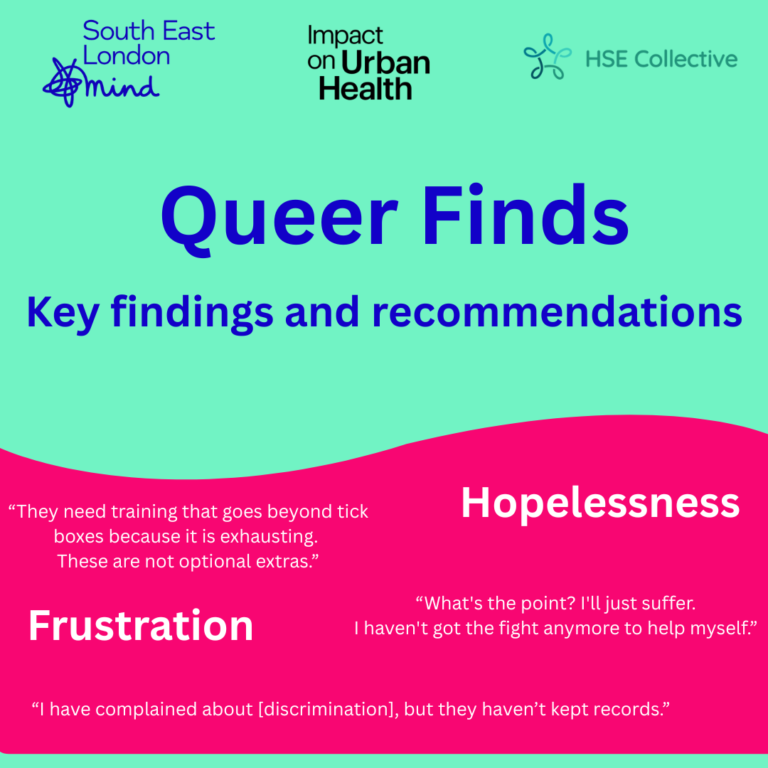
New report calls for urgent change in LGBTQIA+ mental health care
Queer Finds research explores the challenges LGBTQIA+ people face when accessing mental health services. In particular, it examines experiences of stigma and discrimination. It also highlights gaps in understanding about diversity and people’s unique needs.

How does workplace violence affect nurses across ethnic groups?
This lay summary explores how workplace and everyday violence affects nurses across different ethnic groups. It draws on in-depth interviews with hospital and community nurses in London.
The findings highlight the different forms of violence nurses face. In particular, they show how discrimination and bias shape these experiences. As a result, many nurses experience serious impacts on their safety and health. These experiences also affect their ability to remain in the profession.
Ultimately, the research shows why systemic change is urgently needed.

Hope, progress, and accountability: Tackling racial inequalities in mental health together
Drawing on decades of lived experience and leadership, Jacqui Dyer MBE reflects on the human impact of racial inequality in mental health services.
She also explores the growing momentum for fair, equitable, and community-informed care. In particular, she highlights the role of the Patient and Carer Race Equality Framework (PCREF) in driving meaningful change.

What does truly inclusive mental health research look like?
In this powerful piece, Professor Stephani Hatch, explores the urgent need for more equitable partnerships between academic institutions and community organisations.
The article explains why meaningful engagement with people who have lived experience must become standard practice. In particular, it calls for proper resourcing, training, and shared decision-making.
If funders and researchers are serious about addressing mental health inequities, change is essential. They must rethink how power, funding, and collaboration are balanced across the research landscape.
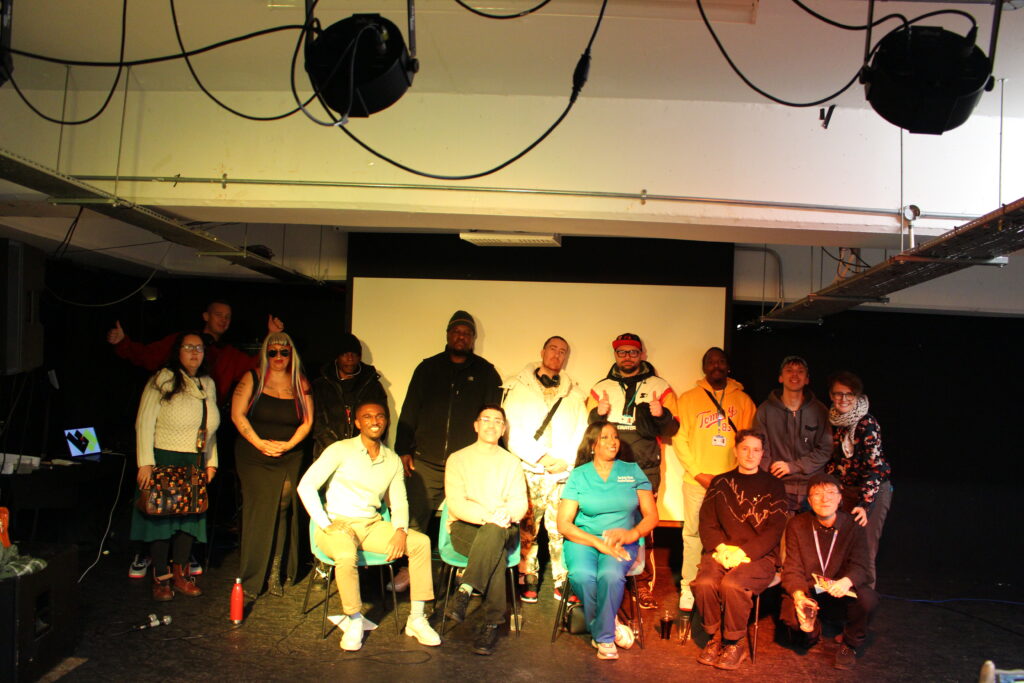
CORE Celebration 2025: A Night of Community-Led Research
Community-led research took centre stage at the CORE Celebration 2025. Local organisations, residents, and researchers came together to share powerful stories of partnership and change.
This recap captures the energy of the evening. It also highlights how community-driven insight is shaping more equitable health and social care systems across Southwark and Lambeth.

Supporting Those Who Support Others: Can We Do More for Carers Experiencing Abuse?
Carers play a vital role in supporting others. Yet many experience violence and abuse themselves, often in silence.
This new study explores the hidden toll of abuse on carers’ wellbeing. In particular, it highlights how routine screening and stronger support within health and social care could transform lives.

From Evidence to Action: Addressing Racism in Healthcare
Racism in healthcare isn’t just a statistic. It affects real people every day.
This research explores how discrimination shapes the lives and wellbeing of ethnic minority healthcare professionals. In addition, it outlines the steps needed to create fairer and safer workplaces.

King’s Health Partners 2025 Annual Conference: Collaboration in Action
Over 590 attendees joined the hybrid conference to explore how collaboration across organisations improves outcomes for patients, staff, and communities.
In addition, this recap shares key insights, lessons, and practical takeaways from the day.
Work with us
Be part of our mission to create equitable health and social care systems. Together, we can make a difference.