
Partner Spotlight
From Intention to Impact: Building Hope Through Cultural Humility
Written by: Joel Dunn from The Paradigm Project & the CARE-HSC Team
At CARE-HSC, we work to ensure that equity is not only discussed in principle, but realised in practice across health, social care, and related systems. One of the most important ways this happens is through learning from partners whose work is grounded in lived experience and community-led research.
In collaboration with Paradigm Project, From Intention to Impact: A Cultural Humility Approach to Safeguarding Black Girls in Education offers a powerful example of what equity-focused practice looks like when cultural humility is taken seriously, not as a value statement, but as a method.
While the research is rooted in education, its insights resonate strongly across health and social care, particularly in relation to safeguarding, trust, psychological safety, and accountability.
A Research Process Grounded in Community
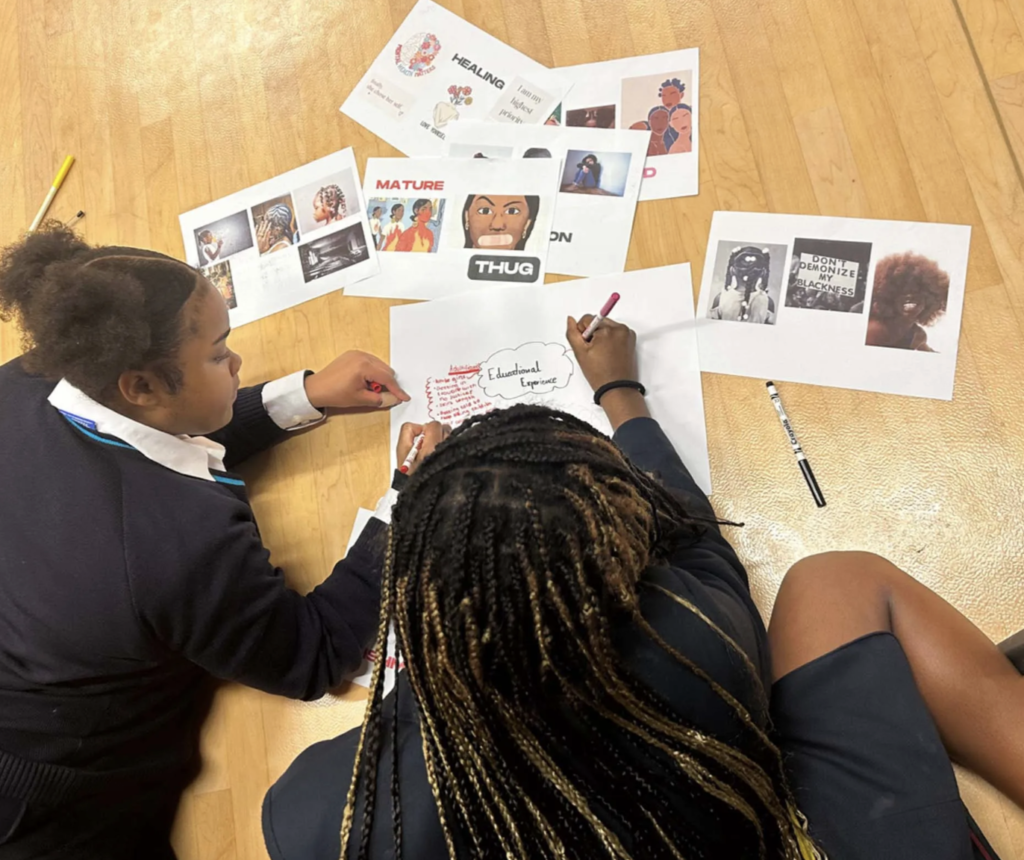
The research process centred the voices of those most affected by safeguarding systems. Educators, parents, and, critically, Black and Black-mixed-race girls were engaged through focus groups and facilitated conversations designed to create safe spaces for reflection and storytelling.
Rather than treating lived experience as supplementary evidence, the work positioned it as the foundation for understanding how safeguarding operates in practice. This approach reflects a core principle of cultural humility: recognising that expertise does not sit solely with institutions, but with communities navigating systems every day.
For CARE-HSC, this mirrors broader challenges across health and social care, where equity efforts often falter when community knowledge is consulted too late, or not at all.
What the Research Revealed
The findings present a sobering picture. Despite widespread commitments to inclusion, many young people continue to encounter cultural bias, systemic barriers, and environments that undermine their sense of belonging.
Educators described frustration with the gap between policy and practice. Safeguarding frameworks may exist, but without space for reflection, support, and accountability, they struggle to translate into meaningful change. Families echoed this disconnect, highlighting how their perspectives are frequently marginalised within formal systems.
The most striking insights came from the young people themselves. Their contributions revealed the emotional labour involved in navigating spaces where they felt unseen or unheard, and the cumulative impact of this on wellbeing and trust. At the same time, they articulated clearly what would make a difference: consistent support, genuine listening, and adults willing to reflect critically on their own assumptions.
These themes are deeply familiar across health and social care, where inequitable experiences often stem not from a lack of policy, but from a lack of culturally humble practice.
Moving Cultural Humility from Concept to Practice
A central message of the research is that cultural humility must be embedded systemically, not applied selectively. This means creating reflective spaces for staff, supporting the wellbeing of professionals alongside service users, and building safeguarding approaches that are co-designed with those most affected.
It also requires structural accountability. Without mechanisms that ensure learning leads to action, equity risks remaining aspirational rather than operational. This lesson extends well beyond education, offering important guidance for safeguarding, workforce development, and inclusive practice across health and social care systems.
A Message of Hope and Possibility
Alongside its challenges, the research offers reasons for hope. Young people continue to articulate their needs with clarity and courage. Educators and practitioners are seeking tools that help them move from good intentions to meaningful impact. Families remain willing to engage when their knowledge and experiences are genuinely valued.
For CARE-HSC, this work reinforces the importance of partnership, co-production, and learning across sectors. Equity is not achieved through isolated interventions, but through sustained, reflective practice that centres lived experience and challenges power imbalances within systems.
Learning Across Sectors
Although focused on safeguarding in education, From Intention to Impact offers valuable insights for anyone working to advance equity in health and social care. It reminds us that cultural humility is not a one-off training or a policy add-on, but an ongoing practice that must be embedded into how organisations listen, learn, and act.
Read the full report: From Intention to Impact: A Cultural Humility Approach to Safeguarding Black Girls in Education
Work with us
Be part of our mission to create equitable health and social care systems. Together, we can make a difference.