
Reflections From IMSH:
What Apple Pancakes Taught Me About Healthcare Equity
By Helen Welsh
What can Apple Pancakes teach us about healthcare equity? More than you might think.
When you attend a conference, or any event, it’s easy to remember the big ideas, the sessions, the speakers… and yes, sometimes the food. I didn’t know it on day one, but at the International Meeting on Simulation in Healthcare (IMSH) 2026, food would end up becoming one of the most memorable lessons. Specifically, Apple Pancakes were about to change the way I thought about learning, care, and connection. How, might you ask? Let me tell you…
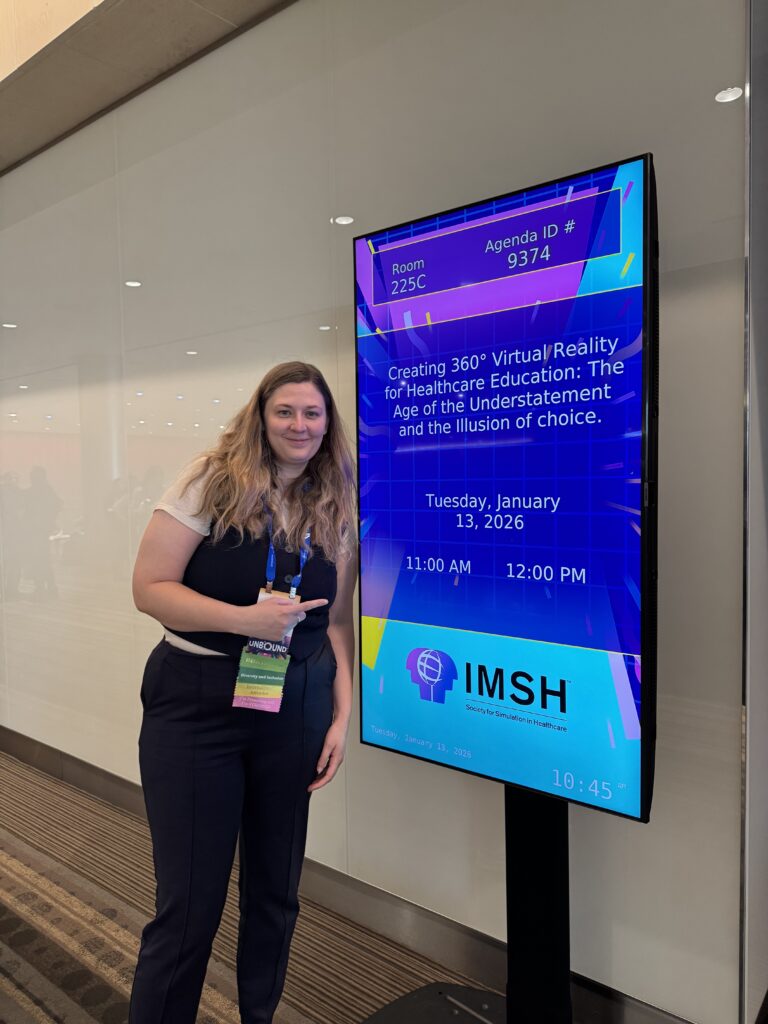
Where Innovation Meets Experience
I attended IMSH 2026, held in January in San Antonio, Texas. It’s the leading international conference on simulation-based healthcare education, bringing together clinicians, educators, researchers, and innovators to explore advances in training, technology, and patient safety.
Through CARE-HSC, my role involves creating content and educational interventions that highlight inequities, amplify underrepresented voices, and equip healthcare professionals to respond effectively across diverse populations. As a health equity-focused researcher and innovator with a background in Media and Nursing, I design strategies, tools, and content that make complex healthcare learning accessible and transformative. I challenge traditional norms daily when it comes to healthcare education and had the chance to share this perspective through talks and workshops at the conference.
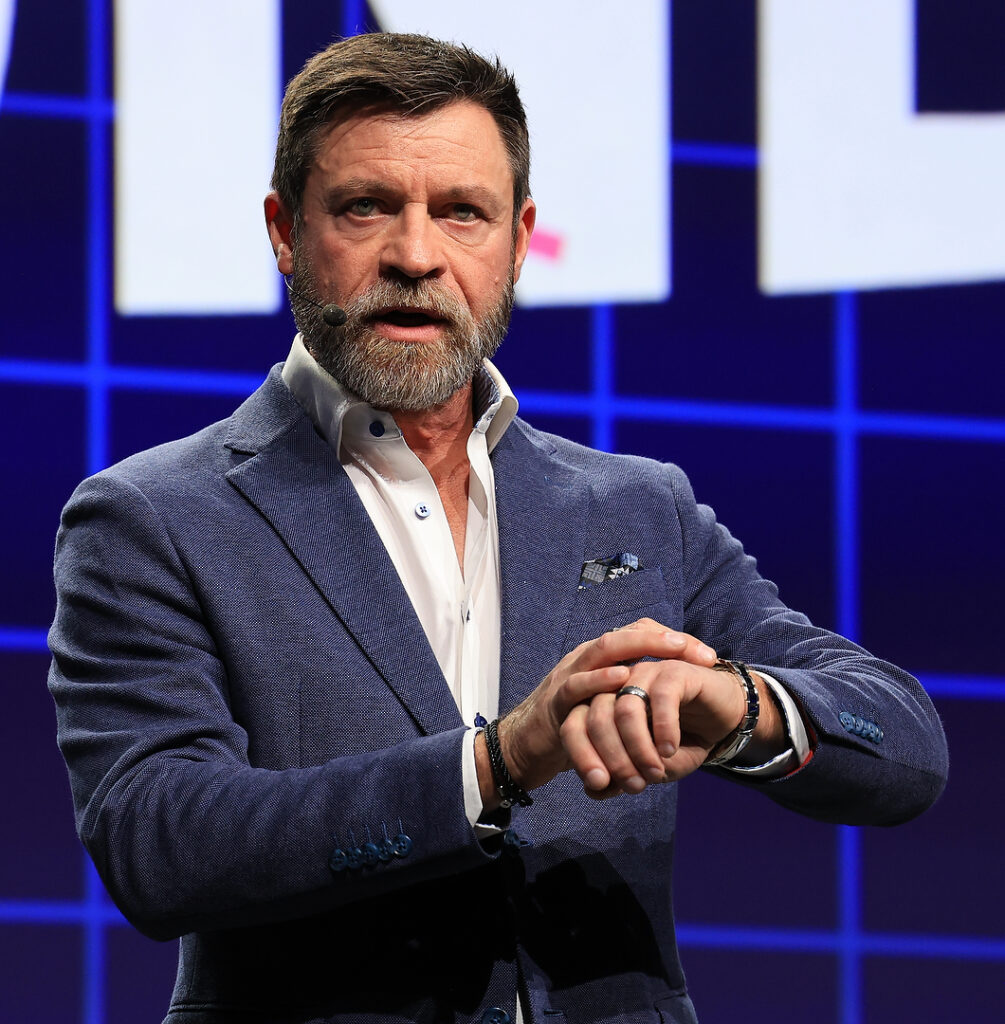
I love using creativity and immersive approaches to make research and training more engaging, inclusive, and impactful. It was no surprise, then, that one of the moments that stayed with me most at the conference was Kevin Brown’s keynote.
Kevin Brown is a bestselling author, keynote speaker, and branding expert from Michigan, USA with decades of experience in business leadership. As the father of a child with autism, he also brings with him a personal insight into how small acts of care can have a profound impact.
He spoke about what it means to be a hero, not the kind we see on posters, films or theatre stages, but the kind who quietly changes lives without even realising it.
A Simple Breakfast, a Big Lesson in Healthcare Equity
He shared a deeply personal story about his son Josh, who is autistic, and their first family trip to a well-known international theme park. For many families, experiences like this involve careful planning, navigating unfamiliar environments, and hoping that the people they meet along the way will understand their needs.
Every day of the trip was meticulously planned, and Josh knew the schedule inside out; structure was important to him. On the first morning, they visited their first restaurant as planned, but the experience did not go as expected. Josh’s highly specific dietary requirements added an extra layer of complexity, and after an awkward interaction with a server, the restaurant’s Executive Chef came out to the table. Her name was Bea.
Instead of rushing through the conversation, Bea did something simple but powerful. She asked Josh what he would like for breakfast, listened to his needs, and made notes of everything he could eat. It’s the kind of listening that families navigating overwhelming and confusing healthcare systems often hope for.
Josh requested Apple Pancakes, just like he has at home. Sadly, they were not on the menu, and the ingredients needed were not ones they even stocked. Bea offered a Mouse-shaped breakfast instead featuring ingredients he did like and could have, which Josh loved. The family had a fantastic first day of their trip.
The next morning, though, something unexpected happened.
Small Gestures, Big Impact
Although the family had another breakfast reservation somewhere else, part of the carefully planned schedule Josh knew so well, Josh asked if they could go back and have breakfast with Aunt Bea…
Surprised but curious, the family returned to the restaurant.
This time Aunt Bea was ready.
She had apple pancakes waiting for Josh.
Kevin was stunned. Bea had no idea the family would come back, especially since they had not planned to at all. And the day before, the restaurant didn’t even have the ingredients needed, so what had changed?
On her way home from work, Bea had stopped to buy the ingredients mentioned the previous day. Just in case.
That small act changed everything. Josh felt seen, comfortable, and safe. The family returned every breakfast of their trip, canceling their other dining plans and stayed in touch with Aunt Bea for years.

From Pancakes to Healthcare Equity Policy Change
The ripple effect did not stop there. Aunt Bea later shared her apple pancakes story with Kevin and the family publicly when the family visited once more. Bea had informed the theme park found out about what happened and subsequently they updated their food policies to better support people like Josh across their parks. One small act of care has now transformed experiences for countless children and families, illustrating beautifully that heroism often begins with simple, intentional human connection.
Stories like this resonate strongly with healthcare education. Many patients and families navigate systems that are complex, busy, and often built around processes rather than people. Small moments of listening, flexibility, and understanding can make the difference between someone feeling anxious and unseen, or safe and supported. For educators and researchers, the challenge is how we help healthcare professionals recognise these moments and respond to them.
Equity in Every Encounter
At its heart, this story is also about equity. People do not all experience healthcare systems in the same way, and for many individuals and families, navigating care can involve additional barriers that are often invisible to others. Recognising and responding to those differences is a core part of creating healthcare environments where everyone feels respected, included, and able to access the support they need.
Traditional training for healthcare professionals often focuses on knowledge, policies, and clinical procedures, but the human experience of care can be much harder to teach. How do we help someone understand what it feels like to navigate a system when your needs don’t quite fit the standard process? How do we create space for empathy, curiosity, and listening within environments that are often fast paced, pressured and often accountable to bureaucracy not people’s needs?
It Starts With Noticing
For those of us exploring immersive technologies like virtual reality in healthcare, that lesson is especially important. It’s a reminder that technology usage, or training uptake is never the goal itself. What matters is how these tools are designed and used to create meaningful experiences that foster empathy, understanding, and real-world impact for patients and professionals alike. The real lesson Kevin’s story teaches us is that change comes from noticing people’s needs, responding thoughtfully, and creating moments where they feel seen, respected, and safe.
It’s about the quality of human connection that these moments have the ability to unlock during training, and the long-term impact these moments and interactions have. It’s about creating learning experiences that help healthcare professionals see the world from another person’s perspective, bringing in lived experience to do so, and responding in ways that make people feel psychologically safe, respected, and valued particularly for people whose needs and experiences are not always reflected in standard systems of care.
While sometimes, meaningful change starts with a new policy or a new innovation it shouldn’t be mistaken for the only way change happens. Sometimes it starts with everyday heroes, the people who notice when something small could make a big difference and choose to act on it. Sometimes it’s taking the time to listen, or having the ingredients for apple pancakes in the cupboard… just in case!
Work with us
Be part of our mission to create equitable health and social care systems. Together, we can make a difference.